❮
![Large Image]() ❯
❯
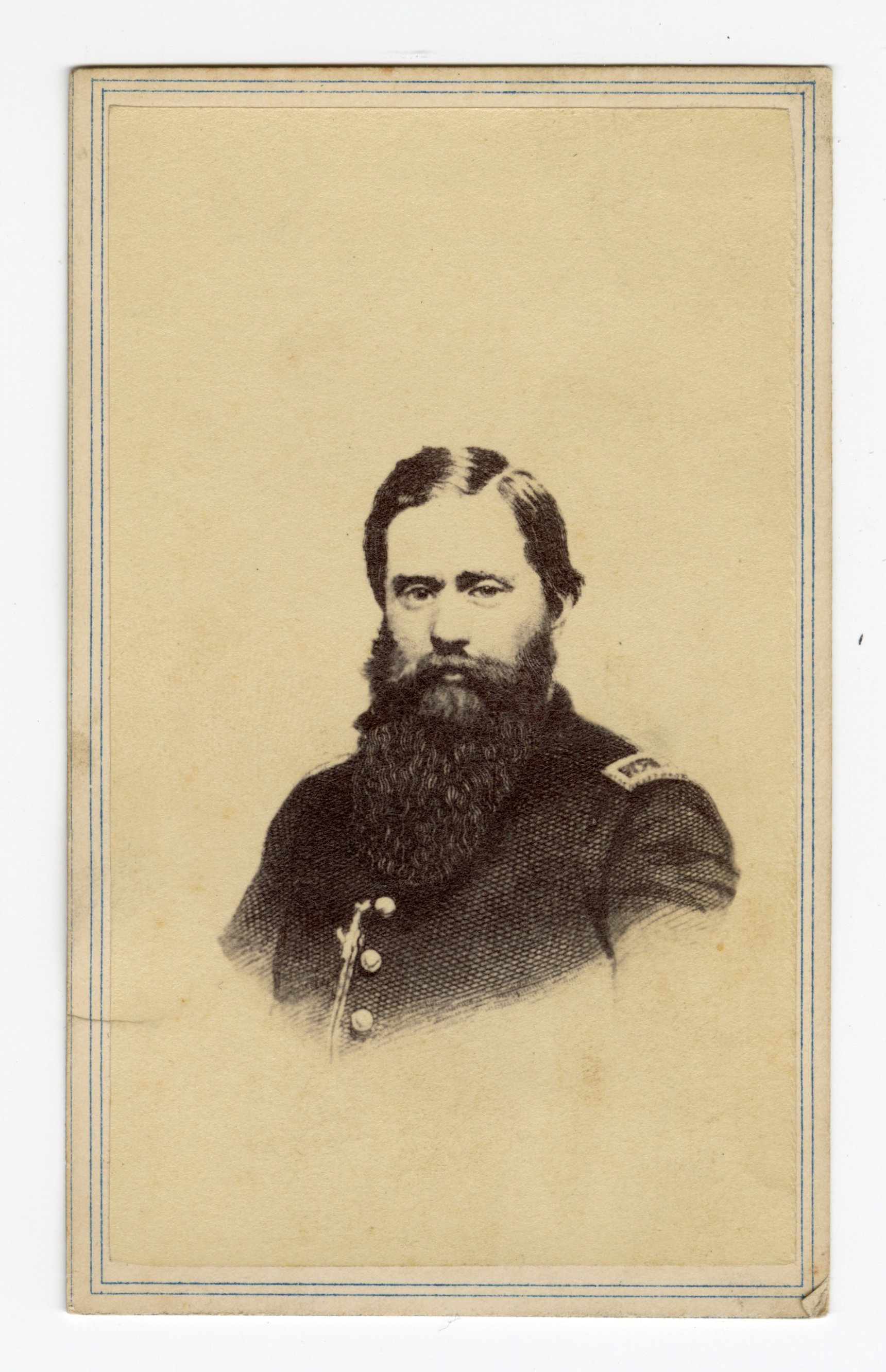
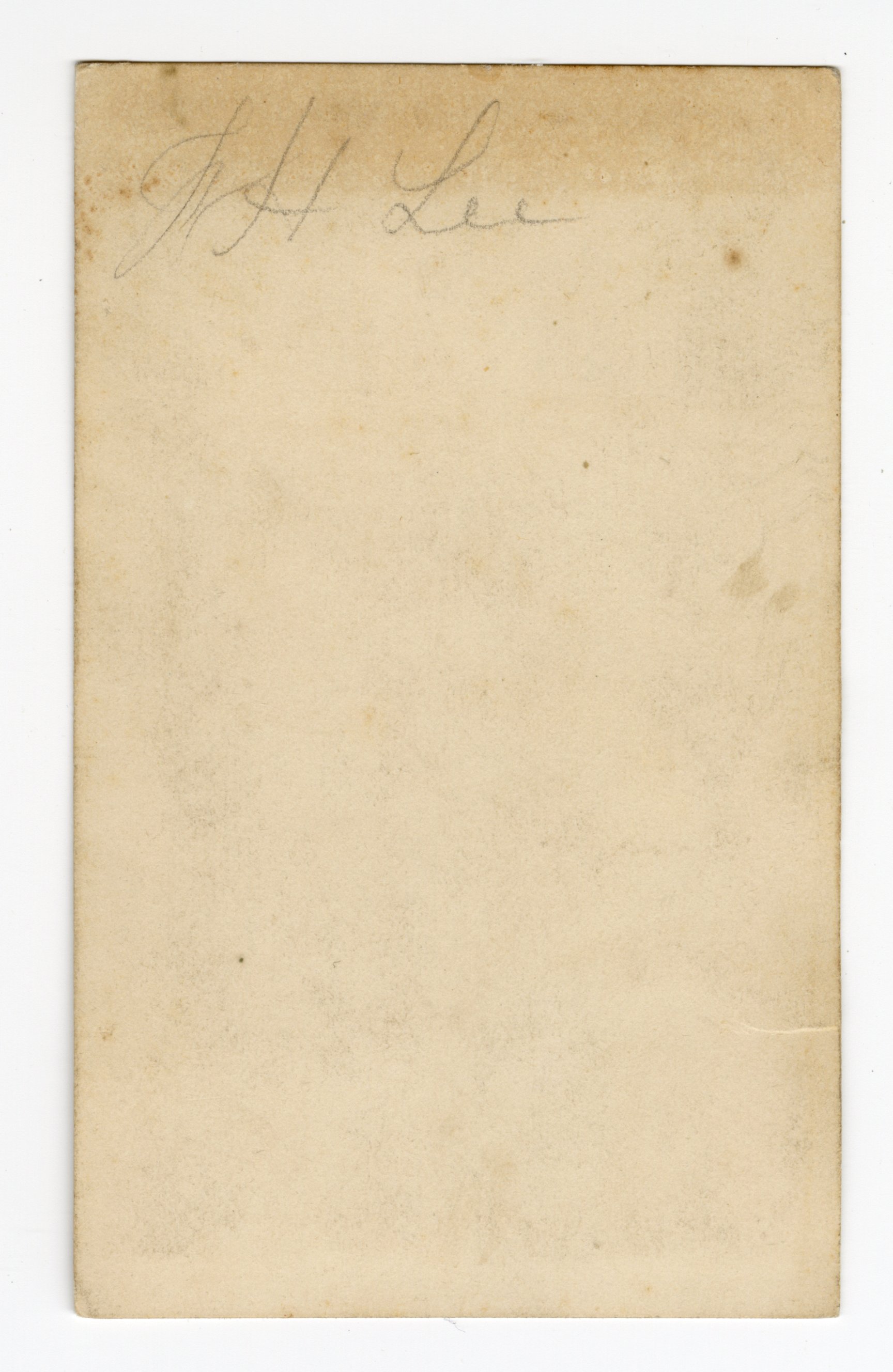
Fitzhugh Lee - Gettysburg Brigade Commander
Item CON-11518
Price: $275.00
Description
Fitzhugh Lee joined the Confederate States Army as a lieutenant of cavalry and served at first as a staff officer to Brig. Gen. Richard Stoddert Ewell at the First Battle of Manassas. He was promoted to lieutenant colonel of the 1st Virginia Cavalry in September 1861, serving under Colonel "Grumble" Jones. Lee replaced Jones in March 1862, after the elections held in the regiment in accordance with the Confederate Conscription Act of April 16, 1862. He was promoted to brigadier general on July 24, 1862.During the Northern Virginia Campaign, Fitzhugh Lee received notoriety by arriving late for a cavalry concentration, allowing U.S. Army cavalry to raid Jeb Stuart's headquarters and capture his famous plumed hat and cape. However, during the subsequent Confederate raid on Catlett's Station, he captured the headquarters tent and dress uniform of U.S. Maj. Gen. John Pope. Fitzhugh Lee gave Pope's coat to Stuart as compensation for the hat he had lost.
Fitzhugh Lee performed well in the Maryland Campaign of 1862, covering the Confederate infantry's withdrawal from South Mountain, delaying the U.S. Army advance to Sharpsburg, Maryland, before the Battle of Sharpsburg around Antietam Creek, and covering his army's recrossing of the Potomac River into Virginia. Stuart's cavalry made its second ride around the U.S. Army in the Chambersburg Raid before returning in time to screen Robert E. Lee's movement towards Fredericksburg, where the cavalry defended the extreme right of the Confederate line. Fitzhugh Lee conducted the cavalry action of Kelly's Ford (March 17, 1863) with skill and success, where his 400 troopers captured 150 men and horses with a loss of only 14 men. In the Battle of Chancellorsville in May 1863, Lee's reconnaissance found that the U.S. Army's right flank was "in the air", which allowed the successful flanking attack by Maj. Gen. Thomas Jonathan "Stonewall" Jackson, a movement led by Fitzhugh Lee's cavalry.
After Chancellorsville, Lee was incapacitated by inflammatory rheumatism, missing a month of action, which included the significant cavalry operations at the Battle of Brandy Station. He recovered in time to lead a brigade in Jeb Stuart's third ride around the U.S. Army, in the early days of the Gettysburg Campaign, with his most significant contribution being at the Battle of Carlisle. During the Battle of Gettysburg, his brigade fought unsuccessfully at East Cavalry Field. Stuart's report singled out no officer in his command for praise except Fitz Lee, who he said was "one of the finest cavalry leaders on the continent, and richly [entitled] to promotion." During the withdrawal from Gettysburg, Lee's brigade held the fords at Shepherdstown to prevent the U.S. Army from following across the Potomac River. Lee was promoted to major general on August 3, 1863, and continued to serve under Maj. Gen. Stuart's command, despite Stuart not receiving a promotion following his questionable conduct in the Gettysburg Campaign. While his uncle maneuvered the Army of Northern Virginia back into central Virginia, Lee's division launched a successful ambush on U.S. Army cavalry at the Battle of Buckland Mills that fall.
In the Overland Campaign the following spring, Lee was constantly employed as a divisional commander under Stuart. Following the Battle of the Wilderness, Lee's cavalry division played a pivotal role in impeding the U.S. Army in its race to the Battle of Spotsylvania Court House. While fighting at Spotsylvania, Gen. Stuart was detached from the army to thwart U.S. cavalry commander Phillip Sheridan's raid on Richmond. Stuart took Fitzhugh Lee's division with him. The mission ultimately ended in the mortal wounding of Gen. Stuart at the Battle of Yellow Tavern and Lee's inability to break through the United States Colored Troops' defense of Fort Pocahontas in Charles City County and Fort Powhatan in Prince George County. After Stuart's death, Lee served under Maj. Gen. Wade Hampton. Hampton, who had been Lee's peer for much of the war, was promoted to replace Stuart due to his seniority and more significant experience; some observers at the time had cynically expected Robert E. Lee's nephew to receive the command.
At the Battle of Trevilian Station, Hampton's cavalry prevented Gen. Sheridan's cavalry from aiding General David Hunter's force in western Virginia, where it was sure to have inflicted significant damage on General Robert E. Lee's supply and communication lines. The battle also served to screen Lt. Gen. Jubal A. Early's move from Richmond to aid Lynchburg, which Hunter was set to besiege. Hampton's cavalry corps shadowed Sheridan's return to Petersburg.
Fitzhugh Lee subsequently joined Early for his campaign against Maj. Gen. Philip Sheridan in the Shenandoah Valley, and at Third Winchester (September 19, 1864) three horses were shot under him, and he was severely wounded. When General Hampton was sent to assist General Joseph E. Johnston in North Carolina, the command of the whole of Robert E. Lee's cavalry devolved upon Fitzhugh Lee on March 29, 1865, but the surrender at Appomattox followed quickly upon the opening of the campaign. Fitzhugh Lee himself led the last charge of the Confederates on April 9 that year at Farmville, Virginia.
Source: Wikipedia